
2026-10-10 · David Ramirez
Managing Cockroach Problems in Waxahachie During Hot Summers
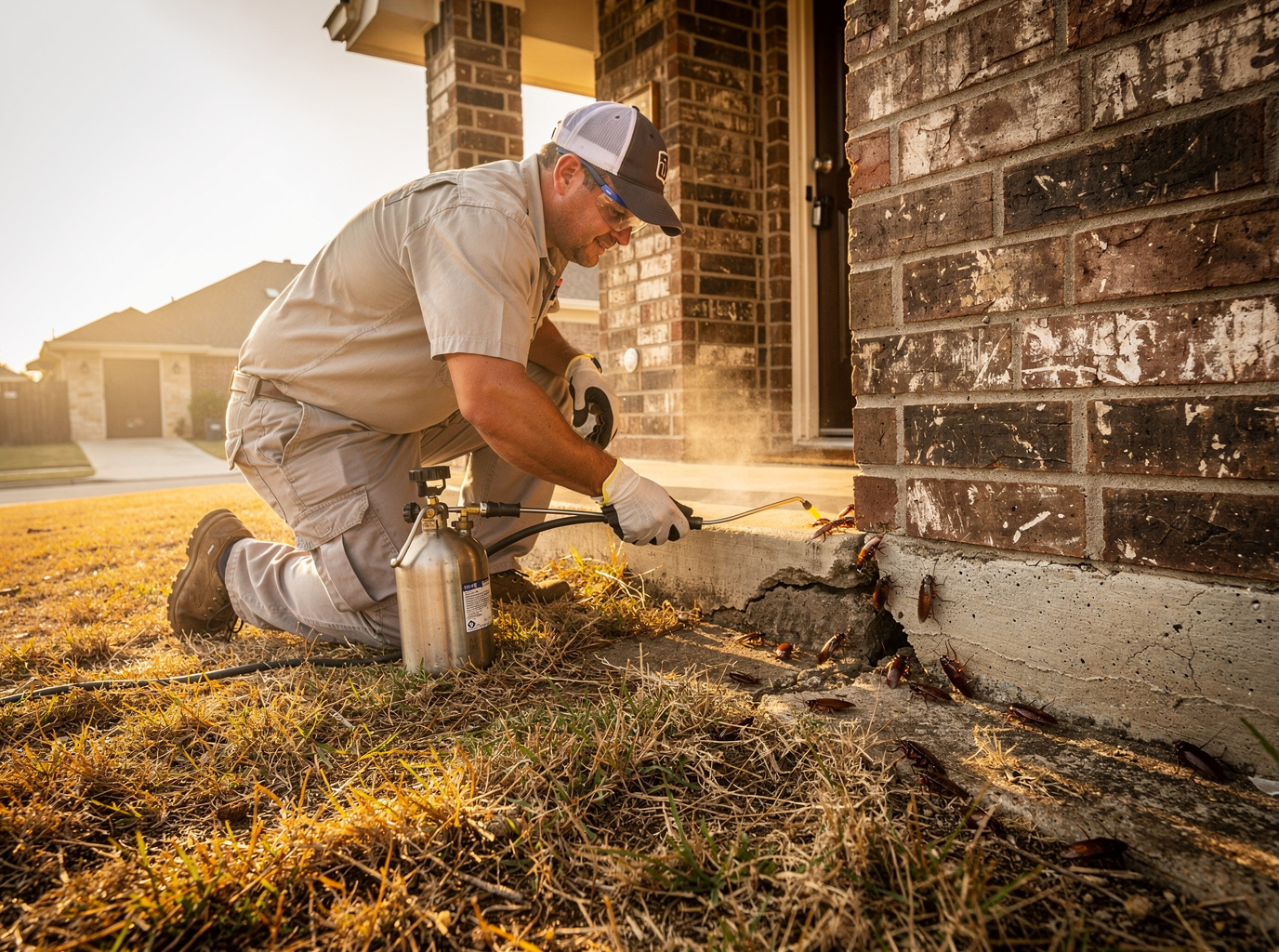
Managing cockroach problems in Waxahachie during our hot summers primarily involves proactive prevention and prompt, targeted treatment, as these pests thrive in the heat and humidity. You can expect to see increased activity from species like the American cockroach (often called 'palmetto bugs') and the smaller German cockroach as temperatures consistently rise above 80°F, which is typical from June through September. These conditions accelerate their breeding cycles and metabolic rates, leading to more frequent sightings and rapid population growth if not addressed quickly. The key to effective summer control lies in understanding their preferred habitats—damp, dark areas—and cutting off their access to food and water sources, which are abundant during our long, warm seasons.
Understanding Waxahachie's Summer Cockroach Surge
Waxahachie’s climate, characterized by hot summers and frequent spring storms, creates an environment ripe for cockroach proliferation. The high humidity levels, often above 70%, combined with average summer temperatures in the low to mid-90s, provide the perfect breeding ground. This is especially true for the American cockroach, which often seeks refuge indoors when outdoor conditions become too extreme, or after heavy rains, as they are drawn to moisture. They are commonly found in older homes throughout areas like Historic Downtown and the Getzendaner Park Area, where aging plumbing and foundations might offer more entry points and damp harborage spots. The abundant green spaces and mature trees around Getzendaner Park also contribute to a higher outdoor population, increasing the likelihood of these larger cockroaches migrating indoors.
Our mild winters mean that cockroach populations don't experience a significant die-off, allowing them to rebound quickly once summer hits. The frequent spring storms also drive them indoors as their outdoor habitats become waterlogged. This seasonal pattern means that summer isn't just a peak for cockroach activity; it's often when infestations become most noticeable and challenging to manage. Homeowners in Waxahachie, Ennis, and Midlothian frequently report increased sightings during these months, necessitating a robust approach to control that accounts for both indoor and outdoor pressures. Understanding the life cycle of these pests, particularly how it accelerates in the heat, is vital for effective management.
Common Cockroach Species in Waxahachie During Summer
While several cockroach species can be found in Ellis County, two are particularly problematic during Waxahachie's hot summers: the American cockroach and the German cockroach. The American cockroach, the largest house-infesting cockroach, can grow up to 2 inches long and is reddish-brown. They prefer warm, damp places like sewers, drains, and basements. In Waxahachie, they are often seen emerging from storm drains or around foundations, particularly in neighborhoods with older infrastructure. Their ability to fly short distances makes them particularly unsettling when they enter homes.
The German cockroach, though smaller (about 1/2 to 5/8 inch long) and light brown with two dark stripes behind its head, is arguably more challenging to control due to its rapid reproduction rate. A single female can produce 4–8 egg cases in her lifetime, each containing 30–48 eggs. In hot conditions, their development from egg to adult can be as short as 60 days, leading to exponential population growth. These are the cockroaches most often found in kitchens and bathrooms, seeking food and moisture. If you're seeing cockroaches during the day, especially in these areas, it's a strong indicator of a significant German cockroach infestation. For more detailed information on identification and life cycles, refer to our page on Cockroach Life Cycle and Identification.
Proactive Prevention Strategies for Waxahachie Homes
Effective cockroach management during Waxahachie's hot summers begins with diligent prevention. Sealing entry points is paramount; inspect your home's foundation, windows, and doors for cracks or gaps as small as 1/4 inch, especially in older homes common in areas like South Waxahachie. Pay close attention to utility penetrations around pipes and wires. Repair leaky faucets and pipes promptly, as even a small drip can provide the necessary moisture for cockroaches to thrive. Regularly clean gutters and ensure proper drainage around your foundation to prevent standing water, which attracts these pests.
Maintaining a clean home environment is equally crucial. Store food in airtight containers, clean up spills immediately, and avoid leaving pet food out overnight. Regularly empty trash cans, especially those in the kitchen, and use lids that seal tightly. For residents in the Northside or near Red Oak, where residential areas blend with more natural landscapes, outdoor sanitation is also key. Keep shrubbery trimmed away from your home's foundation, store firewood off the ground, and ensure garbage bins are sealed and placed away from the house. These steps significantly reduce the appeal of your home to foraging cockroaches.
Targeted Treatment for Summer Infestations
When prevention isn't enough, or an infestation has already taken hold, targeted treatment becomes necessary. For German cockroaches, which often hide in cracks and crevices, baiting is highly effective. Our Cockroach Gel Bait Treatment involves strategically placing small dots of bait in areas where they forage, such as under sinks, behind appliances, and inside cabinets. The cockroaches consume the bait and carry it back to their nests, spreading the active ingredient throughout the colony. This method is particularly useful in kitchens and bathrooms where traditional sprays might be less effective or desirable.